The Watercooler functions as a forum for UNSA Publications members to bring up important world issues, and engage in spirited, intellectual debate with each other.
As such, there are a few guidelines members should try to follow: – Be gracious. The purpose of this forum is not to take down the opinions of others. Rather, it is to seek clarity and understanding in differing views, which become more refined as the discussion progresses. – Use formal language. This may be an informal blog, but we still have standards! (thx hehe :p) – Feel free to back up your arguments with sources. We expect everyone to do their due diligence, and thus we do not expect citations. However, including links/videos/images may help clarify and provide helpful information. If you feel this is necessary, please go ahead. – Leave your name. No anonymous posting. No cowardice. If you have an opinion that you feel is justified, you should be able to stand behind it. (Otherwise, consider that it may not be worth sharing)
For the head posters, your job is to introduce your topic, so be sure to provide information, and your point of view. (Minimum 2 paragraphs)
For those who are commenting, you can agree, disagree, introduce a new point of view or perspective, provide more information, etc. (Minimum 1 paragraph)
All that being said, we hope this will be a good place for us to learn from each other, and understand the world in which we live. Happy writing!
A group of students who wish to understand and improve the world we live in.
Nanyang Technological University United Stations Students’ Association (UNSA) was established in 1991, aiming to educate the student population on world issues, and the activities of the United Nations.
As the Publications Wing, we wish to promote the effective conveyance of important ideas, and provide a conducive environment for students to refine their writing and communication skills.
Never doubt that a small group of thoughtful, committed citizens can change the world; indeed, it’s the only thing that ever has.
Humour is an enduring part of our lives and it has evolved with time. We share intimate and memorable moments with our loved ones through inside jokes. On a rough day, looking at memes helps us lighten our mood. Studies show that 91% of men and 81% of women consider humor to be an important attribute in their life partner. However, in the case of Gen Z, humor has taken a significantly dark, quirky spin. Possibly, this might have to do with the chaotic times that we live in.
Some blame this humour’s existence on a collective anxiety, resulting from current affairs and the social pressures placed on our age group. If it is down to the effect of consistent bad news that Gen Z’s are waxing lyrical with a poisoned pen, then it would be worth taking a deeper look at just how bad the news has been for this generation. Posts like this could easily have been influenced by literally anything. They have managed to find their own unique sense of humour under the bleak circumstances of an uncertain economy, climate change and a global pandemic. Humour is no longer solely used in cheery and light-hearted situations, but in times of tragedy and misery as well. Social media platforms are flooded with memes that express the unconventional sense of humour. Using sarcasm has become a daily staple when it comes to coping with anxiety and stress.
So, why are Gen Z’s such optimistic nihilists? Why do we joke about adverse situations? Where did this unique sense of humour come from?
One trend that’s caused the most concern is that of young people making fun of their own mental ill health. Studies show that Gen Z’s are the loneliest and most stressed-out generation yet. While the posts we see might seem worrying, they could also be a sign of people learning to deal with their own problems through humour, and using social media as their canvas.
Gen Z’s humour has often been described as niche and maybe even nonsensical, with older individuals not being able to grasp our jokes. Aside from taking the edge off stressful situations, members of the Gen Z community also use humour to hold important discussions about socio-political issues, and express themselves. Understanding the humour of this generation is key to unlocking important conversations and bridging gaps with people from other age groups. Gen Z is known to be a very connected generation and a big part of our shared identity is how we joke about topics. Though the memes and jokes may be transient, this sense of humour is what unites us as a generation.
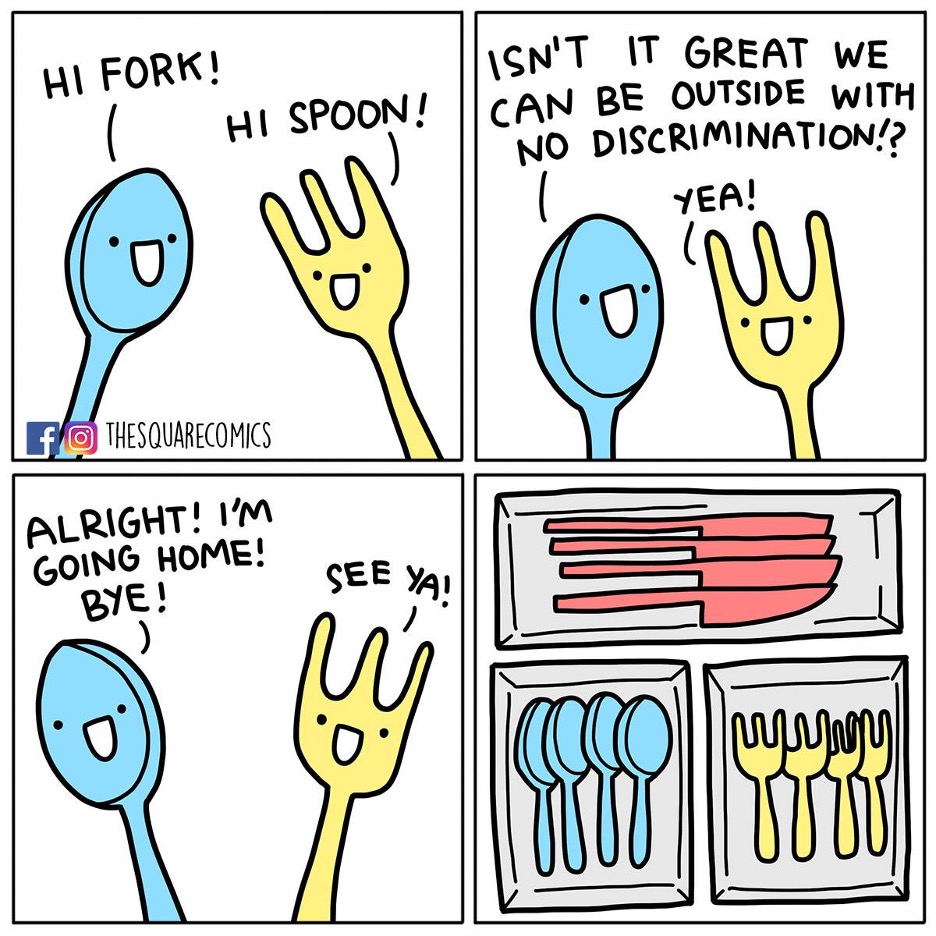
There’s a common saying; if it’s unfair to all, then doesn’t it mean that it’s fair since everyone has an equal footing? I would like to challenge that line of thought. The level of unfairness is different for everyone, and that is especially so in the context of discrimination, where it is undeniable that discrimination puts the minority at a greater disadvantage than the majority. Everyone deserves a chance to have an equal starting point. Therefore, I feel that discrimination should be reduced and even eliminated in society. That brings me to think, is it possible?
Discrimination usually stems from prejudice, and there is bound to have prejudice in every society. Even Singapore, who prides itself as meritocratic and racially harmonious society, is guilty of discrimination. A study by James Cook University showed that Chinese participants rated resumes by Malay applicants as less competent and less suitable for the job while they rated in favour of White applicants. This stems from the negative stereotypes that Malays are less competent and positive stereotypes of Whites as being more intelligent. The positive stereotypes of Whites are likely from the colonial era where Western powers are viewed as more powerful than Eastern ones. This explains the lower median monthly household income in Malay households in Singapore. These stereotypes are dated but still, it seems to be ingrained in us, as can be seen from the study.
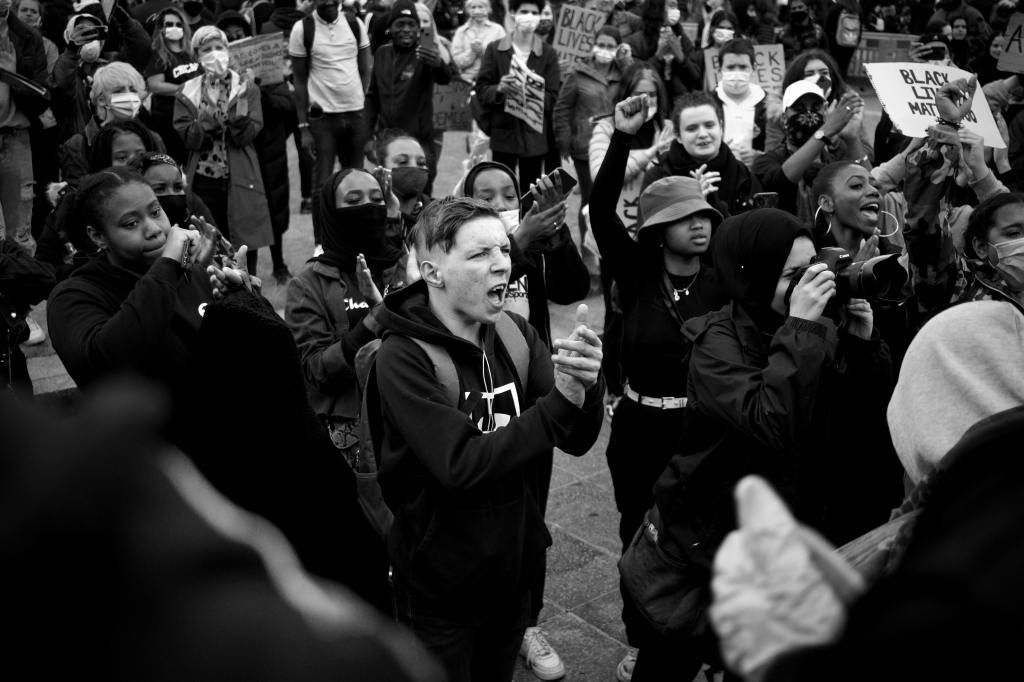
That being said, with the rise in social media over the years, more people have been empowered and are given a voice to raise awareness of the issues that they face. This brings more call-to-actions such as Black Lives Matter, #MeToo Movement, pride parades and so on. Movements such as these have incited change. For example, the pride parades have pushed governments to take a new stand and legalise same-sex marriages. So far, 29 countries have legalised same-sex marriage. Another one would be the #MeToo Movement which was initially about sexual harassment which then shifted it’s focus to gender discrimination. The gender discrimination this movement brought forward included the gender wage gap between men and women. The wage gap usually comes from stereotypes and unconscious biases. The movement pushed for equal pay and these voices help to shape new social norms. Managers have become more aware of the unconscious biases that they might have against women, making them more cautious during hiring and promotion practices. Therefore, although reducing discrimination may seem to be a goal faraway, I believe that if we continue to strive to raise awareness of this issue and call for change, society will one day be more accepting and we would all exist as equals who are just unique individuals, and not defined based on box of prejudice people place us in.
Endeared as the great humanitarian and poet of democracy, Walt Whitman wholeheartedly embraced immigration: “Restrict nothing—keep everything open: to Italy, to China, to anybody.” World history, as Whitman would have agreed, is the story of human dislocation and movement. Mankind’s humble beginnings are rooted in the nomadic lifestyle, with our ancestors having traversed the expanse of modern-day Africa and Asia nearly two millennia ago. However, with the unmitigated rise of nationalism today, national borders are becoming more impenetrable. Worse still, the interminable pandemic has stifled a decade’s worth of progress and growth in immigration. Invariably, whenever immigration is discussed, it is often in the context of stiffening or adding more restrictions. Are we in the throes of a reactionary backlash to decades of openness? Are we succumbing to a primitive psychological setting in which we perceive opportunities as a zero-sum game? Perhaps both. In the ensuing discussion, I would like to call attention to the definitional ambiguities of an immigrant and to unequivocally endorse an open and unfettered society.
Borders and the Barometer of Openness
It might be relevant to preface this argument with some historical context. In ancient Athens, the intellectual bastion of Western antiquity, we see Athens’ foreign policy as articulated by Pericles:
“We throw open our city to the world and never by alien acts exclude foreigners from any opportunity of learning or observing although the eyes of an enemy may occasionally profit by our liberality.”
Of course, this might have been a boast on the part of Pericles–Athens welcomed droves of visitors but none of them were offered citizenship. At the pinnacle of the Roman empire, emperors welcomed immigrants to grow the military and labour force. Roman elites, however, reserved much disdain for immigrants. Between the 17th and 19th century, 240,000 Europeans and a staggering 10.7 million Africans arrived on American soil. America branded itself as “land of the free” but it instead branded slaves and withheld citizenship and other fundamental rights from the disenfranchised latter. On this changing complexion of society, the beloved and democratic Whitman rallied Americans to embrace “the composite American identity of the future.” Fast forward to the twentieth century, political philosopher Karl Popper championed a tolerant society:
“…if we are not prepared to defend a tolerant society against the onslaught of the intolerant, then the tolerant will be destroyed, and tolerance with them.”
Popper impressed the need for constant cultural gatekeeping in order to preserve ideological neutrality and objectivity in society. Through this brief tour of history, it is evident that societal openness is a shifting needle.
Immigrants and Identity Politics
Before the coinage of ‘immigrant’, travellers to a foreign place were called ‘emigrants’, or ‘migrants’. To emigrate was “to remove from place to place.” This was distinctly similar to the definition of immigration: “to remove into a country.” In both definitions, the emigrant and the (im)migrant were chiefly defined by their decision to leave. In 1928, the lexicographer Noah Webster (of Merriam-Webster dictionary) made the definition of immigration more nuanced through the following revision: “to remove into a country for the purpose of permanent residence.” Quite notably, Webster made space, time, and the purpose of the traveller the definitive characteristics–a standard that later became ubiquitous in every other American English dictionary. Without knowing it, Noah Webster introduced a paradigm change at a moment when nationality became inextricably linked to a person’s identity. Some people belonged. Others did not. As historian Neil Shumsky notes, Webster’s 1928 revision had unwittingly laid out the terms of the immigration debate:
“By telling Americans that immigration involves coming from another country, Webster set up an us-versus-them opposition, foreigner against native-born. By telling Americans that immigration is permanent and involves the intent of residence, Webster encouraged them to fear that in time they might be displaced, their cities overrun and their jobs jeopardized.”
Today, we see the lasting effects of Webster’s revised definition, as adopted by the United Nations (UN). The UN defines an immigrant as someone who has lived outside his or her country of nationality for one year. This definition is tethered to a timeline–a rather arbitrary determinant. Such a pliant condition would exclude visitors who stayed for a period of 364 days but include those that stayed for 366 days. Since duration is not a naturalistic trait, there is no physical difference between an immigrant and a native. Should natives hoard wealth and opportunities because they won the cosmic lottery of being born in a first-world nation? Should one’s geographical bearings limit one’s prospects? Any moral person would be hard-pressed to argue that either should.
What is particularly worrisome about the issue of immigration is its vulnerability to the pernicious effects of politicking. Politicians can inflate the numbers and falsely declare an immigration crisis. This manipulation of immigration statistics can stoke nationalism and garner political support where needed. In the Trump administration, the government proliferated the use of “alien” in U.S. immigration law to refer to prospective immigrants. This was a conscious attempt at “othering”, perpetuating illusory differences and fictional harms on the host society. Such political ploys are destructive and have historically proven to shrink the economy and cultural landscape.
Reframing the Border
Having an open society is necessary for the functioning and maintenance of liberal democracies. We need to see national borders not as fixed hurdles, but as an evolving construction with merits and demerits that must be constantly reweighed. Politicians should be mindful that border restrictions tend to affect those within more than those without. These draconian measures simply do not hedge against any perceived drawbacks of globalisation. The local culture and the economy are both better off with a steady stream of new talents and capital investments. At the end of the day, borders should not demarcate limitations but should be launchpads into new, exciting vistas for people to pursue more favourable living prospects.
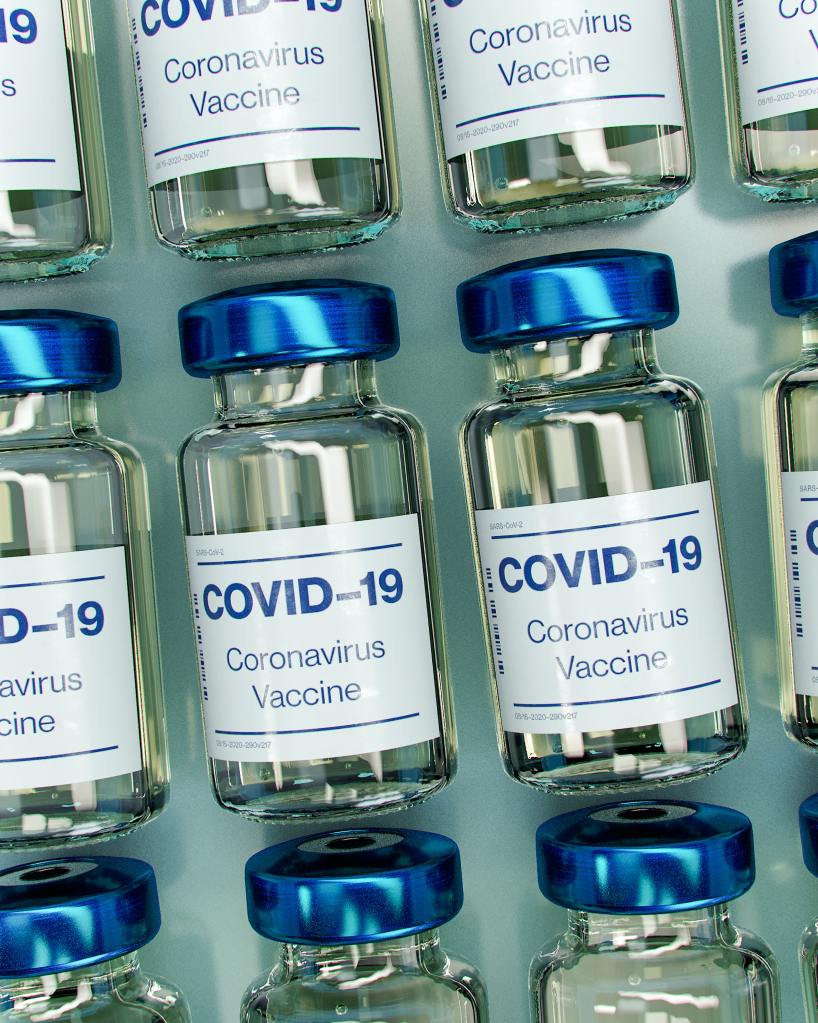
The COVID-19 pandemic has been a surprising equaliser in a world with huge disparities, flooring affluent and poor nations alike. However, nothing has highlighted the development gap between nations quite like the distribution of vaccines. With the rapid development of COVID-19 vaccines, the rich have been stocking up, and the poor have been left struggling to attain supplies.
As of January 2021, 39 million doses of vaccine were administered in 49 higher-income countries. In low-income countries, that number was 25 – a tragically low statistic that should rightly spark outrage.
The main reason for this stark difference in vaccine supplies has been attributed to the phenomenon known as “vaccine hoarding” – where higher-income countries sign agreements early on with vaccine manufacturers to pre-purchase millions of vaccine doses, sometimes more than their citizens actually need. For example, Canada has secured an excess of 500% of vaccine doses for its citizens, one of the highest surpluses per capita in the world. Currently, about 60% of the vaccine doses available lie with a mere 16% of the population – an inequality that mirrors the wealth gap between countries. If this trend continues, an estimated 85 countries will not be able to roll out nationwide vaccinations until 2023. Taking Southeast Asia as an example: Singapore, as a small and wealthy country, is expected to fully inoculate its population by the end of this year, whereas the poorer Southeast Asian countries such as Cambodia and Laos may have to wait as much as five years before achieving the same thing.
This was an entirely predictable outcome, and thus to mitigate the effects of vaccine hoarding, the global initiative COVID-19 Vaccines Global Access Facility (COVAX) was born. The initiative seeks to equitably distribute vaccine doses around the world, by pairing high-income countries that can afford to self-finance, with low and middle-income countries that will have access to the vaccine at a discount. It boasts the world’s largest, most diverse portfolio, with already 1.12 billion doses purchased. However, COVAX now faces several obstacles. Higher-income countries secured deals with the vaccine companies in advance, whereas COVAX was concerned with ordering any doses without formal approval. As COVAX now lags behind, this has led to increased vaccine prices and reduced supplies, undermining the very effort COVAX serves to accomplish.
Unfortunately, the motivation behind vaccine hoarding is understandable. Governments all over the world have been under enormous pressure to protect their citizens, and one of the most tangible results they can produce is the number of vaccine doses secured. By purchasing excess doses, governments quickly soothe concerns of their citizens and gain public approval. None of us are immune to this – we all want our loved ones inoculated as quickly as possible, and securing vaccine doses is paramount for this to occur.
Yet, there is a tragic irony to hoarding vaccines. According to Northeastern University School of Law Professor Brook Baker: “You’re not protecting your citizens; you’re giving your citizens an illusion that you’re protecting them.” He is not wrong. By hoarding vaccines, we actively prevent majority of the population from getting inoculated, which has dire consequences. In order to get the pandemic under control, a large percent of the population needs to be vaccinated quickly, to reduce the number of new infections. Additionally, delays in vaccination may give rise to mutant strains in unprotected populations, which the vaccines may be ineffective against, rendering previous inoculations futile. This is especially urgent, as lower-income countries tend to be more vulnerable to outbreaks, where social distancing and strict sanitation are more difficult to enforce. Furthermore, economies will not fully recover if lower to middle income countries do not lift their lockdowns. Richer countries may rush to get vaccinated first, but clearly the only way to truly recover is to make sure everyone else is vaccinated too.
This phenomenon is by no means a new one. Wealthier countries have almost always had access to new technology first, whilst other nations have had to wait for it to slowly trickle down. This time, however, we cannot stand by and watch as more than half the world is left behind. The onus is on all countries to ensure the fair and equitable distribution of vaccines to everyone, regardless of wealth or background. It is in everyone’s interest to ensure no one is left behind in the race to get vaccines – not only because it will ultimately benefit everyone, but because it is simply the right thing to do.
Science and technology have often been glorified as the main driver for humanity’s progress. Indeed, through medical advancements to smart technologies, science and technology have managed to increase our lifespan and even bring individuals from all over the world closer together, allowing mankind to thrive for thousands of years. Yet is science and technology the panacea to all our problems? I strongly believe not. Perhaps the notion that science and technology alone can solve challenges, resolve crises immediately, and foster long-lasting peace globally reflect some naivety, or even delusion, on our part; Scientific advancement alone cannot solve all our problems and is can even be the cause of our problems when used as a vicious tool without proper moral guidance.
First and foremost, it must be conceded that science and technology have improved our lives in ways beyond our imagination. In pre-historic days when we faced hunger and starvation, our study of science has enabled us to efficiently produce crops for food and domesticate animals conveniently and safely. Ventures into medical technology have also helped us to extend our life expectancy to a point where we were able to eradicate diseases such as the smallpox virus. Relating to the present, scientific advancements and the use of technology have further enhanced the efficiency of measures to tackle the novel coronavirus. For instance, the use of ultra-violet (UV) light lamps and robots in hotels to penetrate the genetic material of viruses and bacteria so that they cannot replicate anymore. Besides, the development of vaccines against COVID-19 like the Moderna and Pfizer Vaccines, have generated a glimmer of hope for humanity in eradicating the virus worldwide. The ability of science to facilitate problem-solving has been undeniably one of the biggest forces for change.
However, while vaccines seem capable of ending the dreadful pandemic, for some countries, the end to the pandemic remains out of sight. This is so as attaining a dose, or a shot of the vaccine is dependent on the wealth of the country one resides in. Take for example the grimmest situation, in Cambodia, Laos, and Myanmar, it could take more than five years to finish vaccinating its population. On the other hand, advanced economies would be able to vaccinate a majority of their adult populations by mid-2022. Hence, while science and technology research led by companies often have noble goals of benefitting humankind, the reality remains that the effectiveness of such efforts is limited in countries that have no means to adopt such developments easily. Restricted access to such technology and products especially for people in poorer socio-economic backgrounds, stands a major obstacle in making them an effective solution to such problems. Hence, the perception that science and technology can solve our problems is nothing more than a naïve dream for some.
Furthermore, it is imperative to recognize that this is but the tip of the iceberg. In a bid to solve many of today’s challenges, science churns out even more problems in the process. This is largely due to the fast pace of scientific and technological developments that humankind is struggling to keep up with. The rise of Artificial Intelligence (AI), for instance, have posed considerable threats to people’s livelihoods. Already, robots have replaced food and beverage staff in Japan and South Korea. Evidently, despite being able to relieve the manpower crunch, it has further destroyed most traditional livelihoods and jobs of ordinary citizens. The rise in social media usage has also sparked never-ending controversies over its implications on mental health among adolescents, leaks in personal data to power-hungry firms, and even the polarization of society – just to name a few.
While science and technology have provided some solutions, it remains more often than not regrettably limited. Where social problems are so deeply intertwined with human nature, science and technology may seem able to solve all problems, but in fact, cannot resolve complex issues exacerbated by the use of technology today. This is not to discount the immense value of science and technology, but perhaps a timely wake-up call that it will not be the solution to everything, as much as we hope for it to be.
Over the past few years, the term “protest” came out repeatedly for many times. In United States, we have the Black Lives Matter protests going throughout the country in all 50 states. In Philippines, protesters called on legislators to junk the proposed anti-terror bill known as Anti-Terrorism Act of 2020 with concerns over the rights of free speech and independent media. In Hong Kong, the protest first started in 2019 with concerns over the extradition bill. In Toronto, the protest for justice and racial equity started after the death of Regis Korchinski-Paquet, a black woman who died after falling from her balcony under police officers presence. In Israel, Israelis are protesting police brutality after the killing of a teacher at the hands of Israeli police. Similarly, for Brazil, police brutality and divides over President Jair Bolsonaro’s lockdown restrictions carried on amid coronavirus outbreak. In Chile, Chileans are protesting to request for food aids from government due to the lack of food available during a general quarantine. In Thailand, protesters are calling for a reform of the monarchy under the constitution. Not forgetting the recent protest in United States when President Trump refused to concede his loss and urged his supporters to rally at the Capitol building.
What was more shocking is protest that happened in Singapore against transphobia outside the Ministry of Education headquarters last Tuesday. The group of five first started the protest peacefully by holding placards stating “#FIX SCHOOLS NOT STUDENTS”, “WHY ARE WE NOT IN YOUR SEX ED”, “HOW CAN WE GET A’s WHEN YOUR CARE FOR US IS AN F”, “trans students will NOT be erased” and “trans students deserve access to HEALTHCARE & SUPPORT”. As they did not have police permit to carry out the public assembly, the three individuals were eventually arrested when they ignored the police’s warning and continued with their activities.
Unlike other countries, mass rally and public demonstrations are rare in Singapore because they are illegal if conducted without a police permit. It then leads me to wonder what motivated them to protest? Were they aware that this is against the law? Linking it to what is happening around the world, why is there an increase in protests across the world? Is it an indication that people are being more vocal? Or is it an indication that there is a lack of alternative platforms to voice out our concerns?
Currently, we have: REACH (reaching everyone for active citizenry @ home), a lead agency in facilitating Whole-of-Government efforts to engage and connect with citizens. SG Youth Action Plan, that was formed in 2019 to allow young people to provide policy recommendations and enter projects to lead the change they hope to see. Weekly Meet-The-People Sessions at various constituencies, where citizens get to meet their elected Member of Parliament. People’s Association, which serves as the bridge between citizens and government. HappyDot, that conducts surveys frequently to collect public opinion. Even on our social media platforms, we can post freely which has a huge ability to garner attention. Are these platforms not sufficient? Or are they not effective?
While I personally opined that it is normal to be unhappy over certain issues and it is both good and necessary to have feedback for the Government, I think that this feedback should be voiced out on appropriate platforms that are effective yet not damaging to the society. So, the real question here is are there such platforms in status quo?
Ever since the formation of society, the struggle between people and government for personal liberty has been a topic for contention. Benjamin Franklin, one of the founding fathers of the United States of America (USA), once famously said “(T)hey who can give up essential liberty to obtain a little temporary safety deserve neither liberty nor safety.” This quote shines a light on the importance of liberty for many. During the recent COVID-19 pandemic, this debate has been brought back to the forefront as governments globally began to restrict the movements of residents while enforcing mask-wearing regulations, in an attempt to curb the spread of the virus. I thus write this article with a question in mind: should there be a limit to how much personal freedom one preserves in a society?
The COVID-19 pandemic has taken the world by storm in 2020, leading to shutdowns, restrictions and much frustrations globally. Heading into 2021, however, a selected few countries are continuously suffering from the pandemic while some of the world seems to have left the pandemic behind. Notably, as the Chinese seemed to resume most of the their daily activities, the USA suffers through their second wave of the virus, with some other countries reaching daily numbers that exceeded the first wave.
One major issue facing the USA in curbing the pandemic wave are some states’ refusal to push for mandating mask wearing. An example is North Dakota of the USA. The governor, Doug Burgum, has refused to impose a state-wide mandate for mask wearing, claiming that “the decision to wear a face covering is a personal one.” A Republican member of the Florida legislature even went as far as to term the mandatory wearing of mask and its supporters ‘mask-Nazis’. Beyond the bipartisan nature that mask wearing seems to have taken up, the idea that mask wearing is seen as a personal decision is not completely new. Back in 1918, while the Spanish Flu killed 195,000 Americans, there were still resistance from some Americans who complained about the “appearance, comfort and freedom” of the masks.
The situation in the USA was in stark contrast to China, who locked down the city of Wuhan as a response to the spread of COVID-19, and mandated the wearing of face masks. It also implemented one of the strictest lockdowns, where no one was allowed to leave their residential compounds. While it may seem restrictive in nature, its effectiveness was undeniable, as the city where COVID-19 originated managed to return to normal while the rest of the world remains battling the pandemic.
This then leads me back to the question: should there be limits to one’s personal freedom preserved in a society? I personally believe that the freedom one possesses ends when it infringes on another person’s safety and freedom, and one’s refusal to wear masks and adhere to lockdown regulations is simply that. By refusing to adhere to safety regulations, it increases the chances of others around them contracting the virus and thus limiting the freedom of others. This is exactly why the lockdown and safety measures should have never been an issue for the government, and why I am particularly upset over the situation in the United States. So many lives lost could have been prevented, and so many sufferings would not have happened if only the government acted swiftly and decisively in lieu of the virus, by mandating safety regulations to prevent the spread of the virus. Liberty should never come as an expense of the safety of others.
I encourage each and every one of you to discover within yourselves, what is your own limit when it comes to liberty? It is an important question, and while there is no universally ‘right’ answer, it is a question worth considering for everyone.
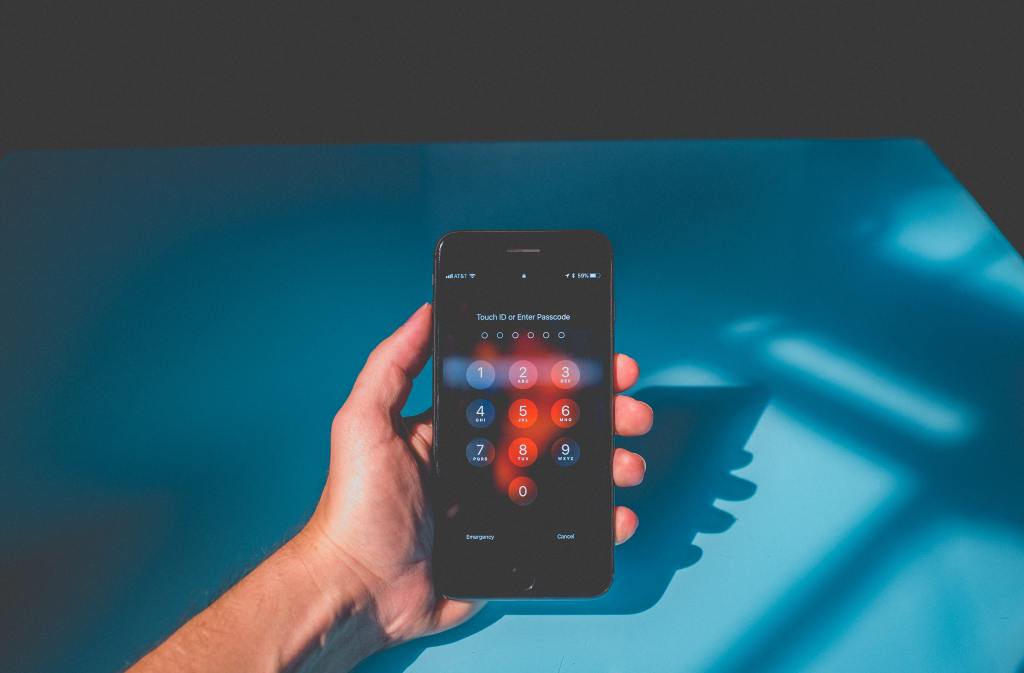
Of the many things that have changed with the onset of this century, the most prominent would be the ease with which information can be obtained from across the globe. With just a click, we experience an interconnectedness that couldn’t even be fathomed before the fourth industrial revolution. This ease of procuring information has proven to be extremely beneficial across a myriad of fields but has also created its own set of difficulties and complications. It has created various avenues for false propaganda, misinformation and has also raised some very serious and concerning issues regarding data privacy, personal security, breach of privacy, and so on.
Cybersecurity can be defined as the protection of internet-connected systems such as hardware, software, and electronic data. As the concept of an interconnected global network and Internet of Things (IoT) has started to gain more prominence, the issue of cybersecurity is being discussed more often. The issues of cybersecurity till very recently weren’t taken seriously and were only associated with companies and organizations with weak security systems. The word cybersecurity only pointed towards phishing scams and reported cases of stolen identities due to poor online presence management and others. But with the rapid progression and advancement of digital technologies, big names have also reported cases of their most sensitive customer data falling into the hands of hackers or third parties without the consent of the customers. Information theft on 25 million customers from Uber, 143 customer files stolen from Equifax, major security flaws leaving customer’s data vulnerable in AT&T, T-Mobile and Sprint phones, third-party app developers having access to Gmail data are among the various massive data thefts that have occurred in the past few years.
The most prominent among all these has to be the infamous Facebook debacle, which involved the data leak of millions of Facebook users by Cambridge Analytica for political advertising purposes. This has been proclaimed to be the largest known data leak in Facebook’s history. The data stolen from Facebook by Cambridge Analytica has been used to create psychological profiles that were then reported to have been used to aid various political campaigns in the US. This leak was made public only due to the involvement of a whistleblower and therefore, raises many pressing issues concerning cybersecurity and data privacy. Coming back home, Singapore also recently faced a major data breach with the personal information of almost 1.5 million healthcare patients being leaked from the Ministry of Health (MoH). Following this leak, it was found that almost 75% of government agencies are not keeping up with the existing data security legislation in at least one area or more. These leaks have led to the infringement of various rights including infringement of the right to privacy and infringement of civil rights among others.
All of this leads to one very pressing question: How safe is our data online?
Our data isn’t actually as safe as we think it is online. As technology continues to be more and more ingrained in our lives, the digital risks we face are sure to increase. A recent survey by PwC has found that almost 90% of all organizations have suffered a security breach from 2015. The main reason for this is the fact that our society and our laws are unable to keep up with the rapid progress of technology. Only in the past few years have countries and organizations started to take cybersecurity seriously. Since 2016 there have been many laws such as General Data Protection Regulation (GDPR) in the EU, Personal Data Protection Act (PDPA) in Singapore, California Consumer Privacy Act (CCPA) in California, etc. that have been introduced to safeguard citizens’ data online. In addition, various countries and organizations are also warranting the use of a data security officer and regular internal and external audits to check for any potential breaches or chances of breaches.
Currently, a lot is being done across the globe to address the issue of data privacy, but a lot more needs to be done to truly keep this issue in check. Governments and organizations need to be more proactive about this issue and regular maintenance and checks need to be performed. Laws need to be regularly amended as technology continues to change its scope of use. The Governments should allow and encourage whistleblowers to come forward and speak out. Organizations need to incorporate more clear communication regarding data collection and utilisation. Apart from this, we as individuals also need to be more aware of our online presence. We should always ensure to not overshare unnecessarily on online platforms and we should ensure safe disposal of personal information online. We should also be aware of what data is being collected online and the purpose of its usage. In addition to all of this, we need to spread awareness to ensure that cybersecurity is continually discussed and acted upon.
So the next time a website asks us for our information online, I hope we all think twice before sharing.
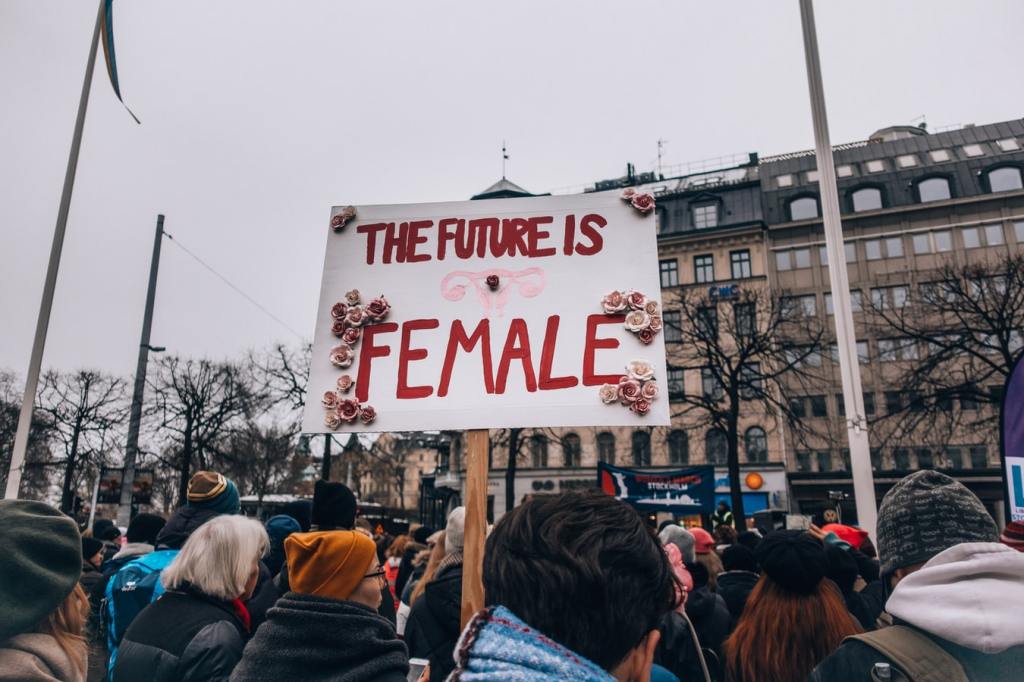
How frequently do you see a female CEO’ name flashing up on your television screens or social media feeds? Here is a slightly different question- how frequently do you see a male CEO’ name flashing up on your screens? I’m sure the tally for former question would be lower than the latter one. Indeed, list of Fortune 500 companies is a testimony to the grim fact that on an average women end up taking fewer senior management roles than their male counterparts. Only 37 companies, led by female CEOs appear on 2020 Fortune 500 list, which apparently is an all-time record high!
This number might be an enhancement to the even more appalling picture but it eminently reflects a Glass Ceiling or invisible barrier to advancement into the top leadership roles encountered by women at workplaces across the globe. A 2020 analysis by Mercer of over 1,100 organizations across the world shows contraction of women participation as one goes higher up the corporate ladder. Despite the large influx of women entering the workforce in the last two decades and narrowing of gender inequality in literacy rates, top leadership roles continue to be the ‘territory’ of males. These barriers could have their genesis in the conventional thinking of the society or females themselves.
The notorious notion of a demure woman who is expected to speak politely, dress-up modestly, run household errands, look after children- basically live a prosaic lifestyle – is deep-rooted in our society, which seemingly makes them less ambitious than men. Decisions regarding promotions of women after a certain point might be based on factors like work-family conflict and biological constraints. But should the phrase ‘family-centred’ be evidently associated to women only? And should the basic process of life repress someone from achieving their desired goals? Having said that I believe it’s not only because of societal stereotypes that women are restricted from advancing in their career paths but because of women themselves too. The lack of self-assurance resulting from zeal to deliver to the female role-model standards holds women back from applying to more technical and more demanding job positions. On average more professional women are concentrated in departments like human-resource management or fields like education which permits them to take time out for their routine jobs of ‘looking after the family’. Greater share of professional women end up taking part-time jobs by choice and very less dare to walk on supposedly scary path of achieving astronomical dreams.
This systematic issue of glass ceiling needs to be quelled by ensuring implementation of structured processes of recruitment, free from bias and self-perceived notions about other’s lifestyles. Women should be engaged in succession planning and set as role-models for other women in the organization working at lower-paying job positions. Also, women need to come out of their shells, believe in their potential, consider themselves at-par with men and take leadership roles head-on. Some of the things that one can do on a personal level are–>Give credit: Always acknowledge the efforts put in by women around you instead of belittling their ideas or completely rejecting them just because of the bias that exists in your mind! Give them due credit for their work and try to instill belief and confidence within them.–>Express belief: while imposter syndrome is universal, women tend to feel this more pronouncedly than men. Encourage them not to give in to fear, express firm belief that they can handle each situation well.–>Form a sisterhood – Gender bias is so deeply rooted that all of us have it. Ironically, women also have the same biases against women as men do. Guard against it and connect with empathy. Every woman deserves and needs a kinship & camaraderie that only other women can provide them.
“It’s high time that we break the glass ceiling. Be a cheerleader for the women in your life! 😉 “
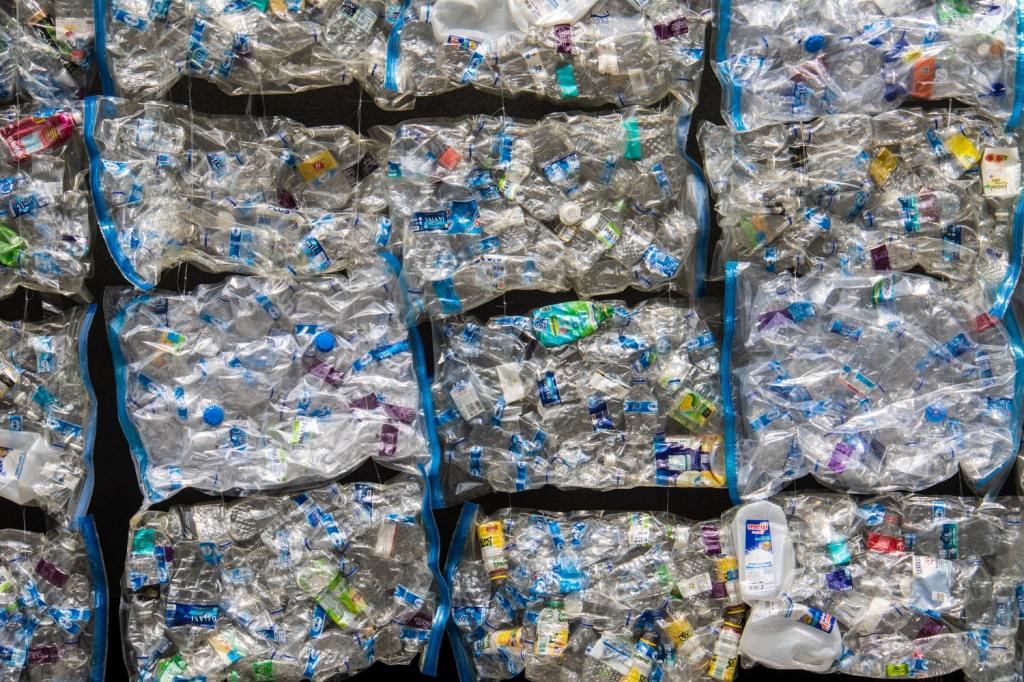
It wouldn’t be an exaggeration to say that Singaporeans cannot live without single-use plastics. After all, they afford us so much convenience – groceries, takeaways, linings of our rubbish bins, etc. According to a study done by NUS alumni, such usage alone generated an estimated 1,334 tonnes of plastic waste, which is equivalent to the weight of 90 double-decker buses! For such a tiny island, we generate an exorbitant amount of single-use plastics.
Across the world, countries have been stepping up efforts to phase out plastic bag usage either through imposition of fees or outright banning it. A report from the UN found that 127 countries have adopted at least some form of legislation to regulate plastic bags. Back in Singapore, measures include adding a superficial charge of 10 or 20 cents per bag in certain retail outlets. For instance, Nanyang Technological University’s (NTU) retailers on campus including food outlets and supermarkets, impose a $0.20 fee per plastic bag. In 2019, NTUC FairPrice had also started charging for plastic bags at twenty-five of its outlets.
While this may be a good sign for things to come, let us not forget that across the rest of Singapore, plastic bags are still freely disbursed. This begets a sense of entitlement among Singaporeans who justify their actions on the basis that these bags will be used to dispose their household rubbish, leading to them “collecting” more bags than actually needed, in a typical Singaporean “just in case” mentality. This then evolves into an issue of excessive and unnecessary consumption where we take more than we need. Ultimately, these plastic bags still end up in incinerators or landfill. A false demand is then created and so long as people remain entitled and demand for free plastic bags, the supply for bags will consequently rise with the increase in demand. This then becomes an endless destructive cycle reinforcing itself; the longer it is allowed to manifest, the harder it is to break free from its grasp.
Moreover, the COVID-19 pandemic could have thwarted Singapore’s nascent zero-waste efforts. When Singapore imposed the two-month circuit breaker, we literally transformed into a ‘dabao nation’. Dining-in options were banned; restaurants and hawker centres could only cater for takeaways and delivery meals. Businesses and eateries stepped up their hygiene efforts, cautious of the risk that reusables could be contaminated with the virus. Indeed, some consumers have expressed concerns at the sight of reusable containers, wary that they might be germ-spreading. This has led to a temporary ban on reusable cups in beverage outlets such as Starbucks, Gong Cha and Koi.
Yet, not all hope is lost. When dining in options were banned in April, Trade and Industry Minister Chan Chun Sing urged people to use their own clean containers, in efforts to be environmentally conscious amid the ongoing pandemic. Some hawker stalls had also put up signs, encouraging customers to bring their own containers. Various companies have put in place certain measures to ease consumers’ worries. For example, restaurants like Yun Nans and Kam’s Roast only accept clean and washed containers from customers whereas dirty ones will be rejected.
COVID-19 may be capturing all the headlines, but we must not forget the ongoing environmental crisis. Discouraging the use of single-use plastics can start from individuals. Every little effort counts towards making the world a sustainable place for present and future generations.




 The Watercooler