by Victoria Buckland
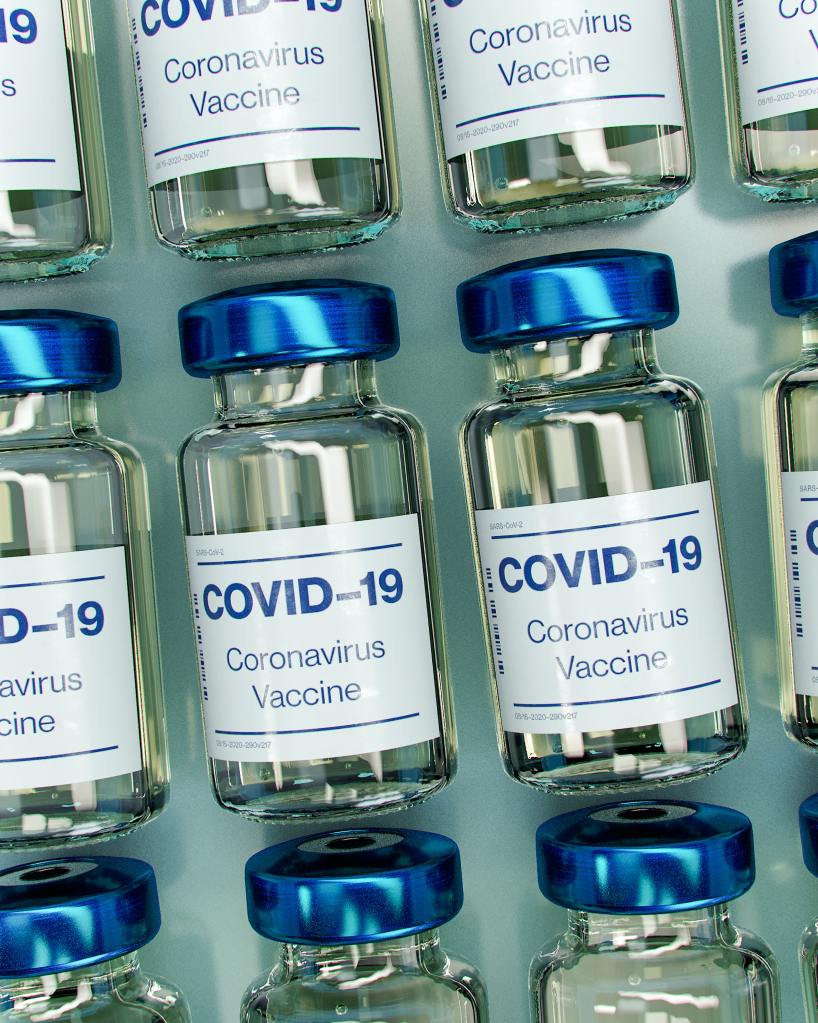
The COVID-19 pandemic has been a surprising equaliser in a world with huge disparities, flooring affluent and poor nations alike. However, nothing has highlighted the development gap between nations quite like the distribution of vaccines. With the rapid development of COVID-19 vaccines, the rich have been stocking up, and the poor have been left struggling to attain supplies.
As of January 2021, 39 million doses of vaccine were administered in 49 higher-income countries. In low-income countries, that number was 25 – a tragically low statistic that should rightly spark outrage.
The main reason for this stark difference in vaccine supplies has been attributed to the phenomenon known as “vaccine hoarding” – where higher-income countries sign agreements early on with vaccine manufacturers to pre-purchase millions of vaccine doses, sometimes more than their citizens actually need. For example, Canada has secured an excess of 500% of vaccine doses for its citizens, one of the highest surpluses per capita in the world. Currently, about 60% of the vaccine doses available lie with a mere 16% of the population – an inequality that mirrors the wealth gap between countries. If this trend continues, an estimated 85 countries will not be able to roll out nationwide vaccinations until 2023. Taking Southeast Asia as an example: Singapore, as a small and wealthy country, is expected to fully inoculate its population by the end of this year, whereas the poorer Southeast Asian countries such as Cambodia and Laos may have to wait as much as five years before achieving the same thing.
This was an entirely predictable outcome, and thus to mitigate the effects of vaccine hoarding, the global initiative COVID-19 Vaccines Global Access Facility (COVAX) was born. The initiative seeks to equitably distribute vaccine doses around the world, by pairing high-income countries that can afford to self-finance, with low and middle-income countries that will have access to the vaccine at a discount. It boasts the world’s largest, most diverse portfolio, with already 1.12 billion doses purchased. However, COVAX now faces several obstacles. Higher-income countries secured deals with the vaccine companies in advance, whereas COVAX was concerned with ordering any doses without formal approval. As COVAX now lags behind, this has led to increased vaccine prices and reduced supplies, undermining the very effort COVAX serves to accomplish.
Unfortunately, the motivation behind vaccine hoarding is understandable. Governments all over the world have been under enormous pressure to protect their citizens, and one of the most tangible results they can produce is the number of vaccine doses secured. By purchasing excess doses, governments quickly soothe concerns of their citizens and gain public approval. None of us are immune to this – we all want our loved ones inoculated as quickly as possible, and securing vaccine doses is paramount for this to occur.
Yet, there is a tragic irony to hoarding vaccines. According to Northeastern University School of Law Professor Brook Baker: “You’re not protecting your citizens; you’re giving your citizens an illusion that you’re protecting them.” He is not wrong. By hoarding vaccines, we actively prevent majority of the population from getting inoculated, which has dire consequences. In order to get the pandemic under control, a large percent of the population needs to be vaccinated quickly, to reduce the number of new infections. Additionally, delays in vaccination may give rise to mutant strains in unprotected populations, which the vaccines may be ineffective against, rendering previous inoculations futile. This is especially urgent, as lower-income countries tend to be more vulnerable to outbreaks, where social distancing and strict sanitation are more difficult to enforce. Furthermore, economies will not fully recover if lower to middle income countries do not lift their lockdowns. Richer countries may rush to get vaccinated first, but clearly the only way to truly recover is to make sure everyone else is vaccinated too.
This phenomenon is by no means a new one. Wealthier countries have almost always had access to new technology first, whilst other nations have had to wait for it to slowly trickle down. This time, however, we cannot stand by and watch as more than half the world is left behind. The onus is on all countries to ensure the fair and equitable distribution of vaccines to everyone, regardless of wealth or background. It is in everyone’s interest to ensure no one is left behind in the race to get vaccines – not only because it will ultimately benefit everyone, but because it is simply the right thing to do.
References:
https://ourworldindata.org/covid-vaccinations
https://www.aljazeera.com/news/2021/2/19/vaccine-nationalism-why-hoarding-shots-could-prolonghttps://www.channelnewsasia.com/news/commentary/covid-19-coronavirus-vaccine-who-covax-inequality-delay-rollout-14162278
 The Watercooler