by Ang Wen Xin
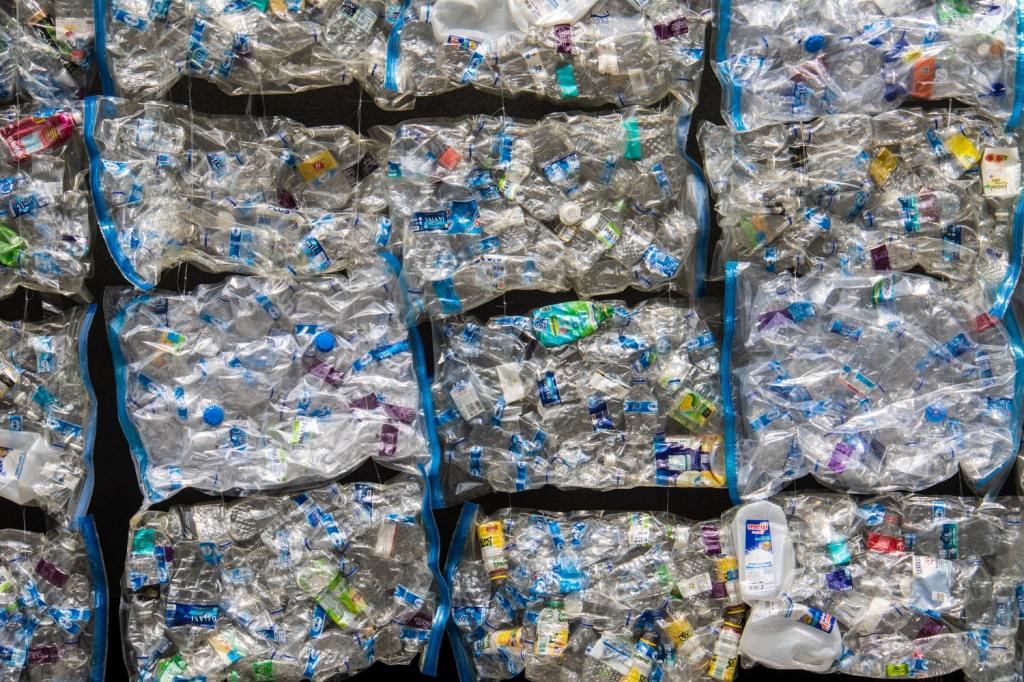
It wouldn’t be an exaggeration to say that Singaporeans cannot live without single-use plastics. After all, they afford us so much convenience – groceries, takeaways, linings of our rubbish bins, etc. According to a study done by NUS alumni, such usage alone generated an estimated 1,334 tonnes of plastic waste, which is equivalent to the weight of 90 double-decker buses! For such a tiny island, we generate an exorbitant amount of single-use plastics.
Across the world, countries have been stepping up efforts to phase out plastic bag usage either through imposition of fees or outright banning it. A report from the UN found that 127 countries have adopted at least some form of legislation to regulate plastic bags. Back in Singapore, measures include adding a superficial charge of 10 or 20 cents per bag in certain retail outlets. For instance, Nanyang Technological University’s (NTU) retailers on campus including food outlets and supermarkets, impose a $0.20 fee per plastic bag. In 2019, NTUC FairPrice had also started charging for plastic bags at twenty-five of its outlets.
While this may be a good sign for things to come, let us not forget that across the rest of Singapore, plastic bags are still freely disbursed. This begets a sense of entitlement among Singaporeans who justify their actions on the basis that these bags will be used to dispose their household rubbish, leading to them “collecting” more bags than actually needed, in a typical Singaporean “just in case” mentality. This then evolves into an issue of excessive and unnecessary consumption where we take more than we need. Ultimately, these plastic bags still end up in incinerators or landfill. A false demand is then created and so long as people remain entitled and demand for free plastic bags, the supply for bags will consequently rise with the increase in demand. This then becomes an endless destructive cycle reinforcing itself; the longer it is allowed to manifest, the harder it is to break free from its grasp.
Moreover, the COVID-19 pandemic could have thwarted Singapore’s nascent zero-waste efforts. When Singapore imposed the two-month circuit breaker, we literally transformed into a ‘dabao nation’. Dining-in options were banned; restaurants and hawker centres could only cater for takeaways and delivery meals. Businesses and eateries stepped up their hygiene efforts, cautious of the risk that reusables could be contaminated with the virus. Indeed, some consumers have expressed concerns at the sight of reusable containers, wary that they might be germ-spreading. This has led to a temporary ban on reusable cups in beverage outlets such as Starbucks, Gong Cha and Koi.
Yet, not all hope is lost. When dining in options were banned in April, Trade and Industry Minister Chan Chun Sing urged people to use their own clean containers, in efforts to be environmentally conscious amid the ongoing pandemic. Some hawker stalls had also put up signs, encouraging customers to bring their own containers. Various companies have put in place certain measures to ease consumers’ worries. For example, restaurants like Yun Nans and Kam’s Roast only accept clean and washed containers from customers whereas dirty ones will be rejected.
COVID-19 may be capturing all the headlines, but we must not forget the ongoing environmental crisis. Discouraging the use of single-use plastics can start from individuals. Every little effort counts towards making the world a sustainable place for present and future generations.
References
https://www.channelnewsasia.com/news/singapore/plastic-bags-supermarkets-singapore-tax-sec-10576660
https://www.wwf.sg/get_involved/useless_plastic_/
https://www.channelnewsasia.com/news/commentary/plastic-zero-waste-byo-food-delivery-takeaway-resuable-container-12844324
https://www.straitstimes.com/lifestyle/food/go-green-but-with-clean-containers
https://www.channelnewsasia.com/news/commentary/plastic-zero-waste-byo-food-delivery-takeaway-resuable-container-12844324
 The Watercooler
Hey Wen Xin,
thank you for your contribution! I thought this was a fantastic article, that highlights the main issue that I had with Singaporeans’ approach towards cutting down on single-plastic use: the priority of Reusing/Recycling over Reducing. I believe that there is a need for much more education to inculcate a change in mindset in Singaporeans, especially the older generations who may not have grew up being taught the importance of protecting our environment.
I appreciate your point on the accelerated consumption of single-use plastic during this pandemic, which is especially important in this period where many seemed overly-optimistic by the drastic reduction in air pollution in the air of many developed countries. It serves as a timely reminder that while we may be reducing our pollution in some manners, we are still hurting the Earth in other, less-visible ways.
As a fellow Singaporean, I would love to see much more discussion and education in the media about the importance of reducing use of single-use plastic and other products that harms our environment. Our carbon footprint per capita, ranked 27th out of 142 countries, shows that much more could be done in pushing Singapore into a much more eco-friendly, environmentally responsible state.
LikeLike
Hi Wen Xin, this is a very well written article and I wholeheartedly agree with how Singapore is a country that cannot live without single-use plastic. This is especially so with the Asian household mentality where we like to hoard items, we would take plastic bags even when we do not need them and simply throw them away afterwards. It is unfortunate that Singapore’s recycling rate is only at 4% in 2018 (as of 2018). However, there is a silver ray of hope for Singapore, as we are currently building the world’s largest Waste-To-Energy, Integrated Waste Management Facilities (IWMF). We will be able to convert waste into energy in the near future. We might even be able to convert waste into valuable products as they are made from hydrocarbon, which is a key chemical found in many everyday products.
LikeLike